Best Garage Storage Cabinets (2026)

About the author
The one-cabinet moment that ruins a garage wall
You hang the first cabinet and it looks great. Then the doors swing into the light switch, the toe-kick blocks an outlet, or the next cabinet won’t sit flush because the wall bows.
That’s why picking the best garage storage cabinets isn’t just “metal vs wood.” It’s about layout, depth, and mounting—because those details show up the minute you start installing.
This page compares 5 proven cabinet lines for 2026. The picks focus on real garage use: heavy storage, clean installs, and systems you can expand over time.
Disclosure: As an Amazon Associate, cantyshanty may earn from qualifying purchases. This doesn’t change what we recommend.
Start here: plan your wall zones first
Before you buy, map your wall zones (workbench, chemicals, yard tools, bulk storage). That way, cabinets don’t block outlets or fight door swing. Start here: Garage Cabinets hub
Best Garage Storage Cabinets (2026): Top 5 Picks
| Image | Product | Best for | Key feature | View on Amazon |
|---|---|---|---|---|
 | NewAge Products Bold Series 3.0 Garage Cabinet Set | Full wall makeover with a clean, modular garage cabinet system | Modular mix of lockers, base, and wall cabinets for a matched install | View on Amazon |
 | Gladiator Ready-to-Assemble Steel Garage Storage Cabinet (GAGB28KDYG) | Metal garage cabinets that hold up to daily use and reorganizing | Steel cabinet with adjustable shelves and a simple, sturdy footprint | View on Amazon |
 | UltrHD Tall Garage Storage Cabinet (UGS-0001) | Budget-friendly tall cabinets for general garage storage | Lockable doors + adjustable shelves in a compact tall-cabinet form | View on Amazon |
 | Seville Classics UltraHD Rolling Storage Cabinet | Mobile storage that can move between parking and work mode | Rolling cabinet with locking casters for flexible garage layouts | View on Amazon |
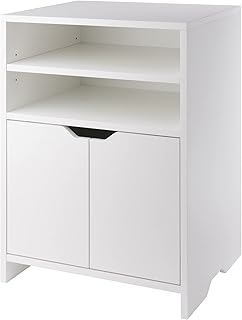 | STERILITE 01423V01 4-Shelf Storage Cabinet | Light-duty, moisture-resistant utility storage in tight spots | Resin cabinet that won’t rust and is easy to wipe down | View on Amazon |
1) NewAge Products Bold Series 3.0 Garage Cabinet Set — Best overall for most garages (system-first, clean install)
A true garage cabinet system: matched pieces that look intentional, not pieced together.
Watch for: plan your wall layout first, so the set installs smoothly and your work zone makes sense.
Best for: a full-wall cabinet run with a cohesive look
What you’ll like: modular pieces let you build around a bench, a freezer, or a parking bay
🧐 Quick verdict: The best “start here” choice if you want a clean, expandable garage cabinet system instead of random standalone cabinets.
| Pros ✅ | Cons ⚠️ |
|---|---|
| ✅ Looks like a designed install (not “storage furniture”) | ⚠️ You’ll get the best result if you take time to plan zones and cabinet spacing |
| ✅ Mix of cabinet types covers most garage storage needs | |
| ✅ Modular layout makes future changes easier |
Why it’s a top pick: For most people, the hard part isn’t “finding a cabinet.” It’s building a layout that stays useful. A matched set gives you the core pieces (tall storage, base cabinets, and wall cabinets), so you avoid mismatched depths and random footprints.
Decision bullets
- Best use case: One wall that needs to handle tools, car-care, and household overflow without looking cluttered.
- Layout reality: Plan your zones first, so doors don’t crash into each other and you don’t block outlets. Use this planning guide: garage cabinet layout plan (zones).
- Depth check: Measure what you store (totes, tool cases, shop-vac). The “right” depth depends on the stuff you actually own. Help here: [GUIDE:/garage-cabinet-depth-guide-standard-vs-deep/|garage cabinet depth guide].
- Install tip: Treat the first cabinet like your reference. Get it level and plumb, then build the run from that baseline.
- Best for: Most DIYers who want the best overall garage cabinets experience without custom building.
Shop tip: If you’re torn between cabinets and open shelving, decide based on dust and visual clutter. Cabinets hide chaos, but shelves give faster access. Compare here: garage cabinets vs shelves.
2) Gladiator Ready-to-Assemble Steel Garage Storage Cabinet (GAGB28KDYG) — Best for metal garage cabinets (tough, simple, modular)
A strong “daily garage” cabinet: steel, practical, and easy to build a wall around over time.
Watch for: decide early if you’ll wall-mount or floor-set, because your stud and layout plan changes.
Best for: metal garage cabinets in busy garages (tools, chemicals, hardware bins)
What you’ll like: steel construction + adjustable shelving for evolving storage needs
🧐 Quick verdict: Best pick if you specifically want metal garage cabinets that feel purpose-built for garages, not kitchens.
| Pros ✅ | Cons ⚠️ |
|---|---|
| ✅ Steel cabinet is a great match for garage humidity and rough use | ⚠️ Best results come from careful layout and solid mounting into studs |
| ✅ Adjustable shelves handle awkward tool cases and chemicals | |
| ✅ Easy to expand as your garage storage needs change |
If you’re leaning toward steel, focus on what matters day to day: door fit, shelf adjustability, and whether the cabinet supports a real garage workflow. For example, you’ll want chemicals separated, hardware organized, and tool cases not piled.
Why it’s a top pick: It’s a garage-first cabinet that doesn’t force you to buy a full set on day one. Instead, you can add pieces as your layout gets clearer.
Decision bullets
- Best use case: You want durable garage cabinets that can take bumps, reorganizing, and real shop mess.
- Metal cabinet checklist: Don’t just buy “steel.” Check shelf adjustability, door fit, and mounting options. Use this guide: [GUIDE:/metal-garage-cabinets-what-to-look-for/|metal garage cabinets: what to look for].
- Wall reality: For wall-mounting, find studs and plan around outlets, hose bibs, and garage door tracks.
- Floor reality: If your slab slopes, plan leveling (shims/feet) so doors don’t swing open on their own.
- Best for: DIYers who want metal garage cabinets and a modular path to a full wall.
3) UltrHD Tall Garage Storage Cabinet (UGS-0001) — Best budget-first tall cabinet (solid basics)
A straightforward tall cabinet when you want closed storage without building a full matched system.
Watch for: anchor tall cabinets if your floor is uneven or you have kids, because tall + heavy loads need stability.
Best for: general garage storage (paint, car-care, tool cases, household overflow)
What you’ll like: adjustable shelves + lockable doors for a clean look
🧐 Quick verdict: Best budget-first option when you want a tall closed cabinet that cleans up visual clutter fast.
| Pros ✅ | Cons ⚠️ |
|---|---|
| ✅ Great “first cabinet” to get the garage under control | ⚠️ Not as seamless-looking as a full garage cabinet system |
| ✅ Tall format stores bulky items without eating up wall length | |
| ✅ Closed doors hide clutter and keep dust off supplies |
If you want to stop the “everything on open shelves” look, a tall cabinet is a fast win. Put the messy stuff behind doors, so the garage looks calmer right away.
Why it’s a top pick: It’s a simple closed-storage upgrade that most garages can fit without a full remodel.
Decision bullets
- Best use case: You want quick closed storage and you’re okay mixing cabinet brands/styles.
- Safety + stability: Tall cabinets should sit stable on a sloped slab. If it rocks, level it and consider anchoring.
- Depth check: Make sure it fits your biggest “cabinet items” (tool cases, jugs, helmets). Use: [GUIDE:/garage-cabinet-depth-guide-standard-vs-deep/|standard vs deep cabinet depth].
- Workflow tip: Use one shelf for “daily grab” and one shelf for “rarely used.” That way, your garage stays tidy longer.
- Best for: Budget-friendly garage storage cabinets that still feel like an upgrade.
4) Seville Classics UltraHD Rolling Storage Cabinet — Best rolling cabinet for flexible garages
Perfect when your garage changes modes: park cars, then roll storage to the side for projects.
Watch for: lock the casters before you load or unload. Rolling cabinets feel unstable if they move while you work.
Best for: renters, shared garages, and anyone who needs mobile storage
What you’ll like: mobility lets you build a workflow without committing to wall mounting
🧐 Quick verdict: Best when you need garage cabinets that can move—storage when you want it, floor space when you need it.
| Pros ✅ | Cons ⚠️ |
|---|---|
| ✅ No stud-finding or wall mounting required | ⚠️ Needs a reasonably smooth floor to roll well |
| ✅ Reconfigures fast for projects and parking | ⚠️ Must lock casters and load thoughtfully for stability |
| ✅ Great “add-on” cabinet even in a full system |
Rolling cabinets solve a real problem: some garages can’t “lose” wall space permanently. Others need storage that follows the work (detailing, bike maintenance, weekend builds). So if you’re always dragging supplies across the garage, mobile storage is a quality-of-life upgrade.
Why it’s a top pick: It adds cabinet storage without committing to a wall layout. That’s huge for renters, shared garages, or anyone still figuring out their long-term setup.
Decision bullets
- Best use case: “Flex garage” where parking and projects share the same space.
- Workholding reality: You’ll use it more if it’s easy to lock and access. Lock the casters before opening doors or pulling items off shelves.
- Pairing tip: Rolling cabinets pair well with wall cabinets. Keep heavy and bulky items low, and keep grab-and-go items up high.
- Best for: Mobile garage storage cabinets that adapt to changing layouts.
Learn the planning approach: layout plan zones for garage cabinets
5) STERILITE 01423V01 4-Shelf Storage Cabinet — Best light-duty utility cabinet (resin, easy cleanup)
A practical utility cabinet for lighter items, especially where moisture and mess are common.
Watch for: don’t overload resin shelves. Use it for cleaners, paint supplies, rags, and light bins.
Best for: pool/yard chemicals, cleaning supplies, and light garage overflow
What you’ll like: resin won’t rust and wipes clean fast
🧐 Quick verdict: Best “set it and forget it” cabinet for light-duty storage in damp or messy corners.
| Pros ✅ | Cons ⚠️ |
|---|---|
| ✅ Won’t rust; easy to wipe down after spills | ⚠️ Not the right choice for heavy tools or dense loads |
| ✅ Simple utility storage for tight spaces | ⚠️ Doesn’t have the “built-in” look of a full garage cabinet system |
| ✅ Good option for laundry/utility crossover spaces |
Not every cabinet needs to be steel. If you’re building a “clean supplies” zone (cleaners, paper towels, rags, garden gloves, light bins), resin cabinets are easy to live with—especially in damp climates or near a utility sink.
Why it’s a top pick: It’s a simple solution for messy corners where you want closed storage and easy cleanup more than heavy-duty capacity.
Decision bullets
- Best use case: Chemicals/cleaning zone, pool supplies, and light household overflow.
- Where it shines: Areas where rust resistance and wipe-down surfaces matter more than maximum load.
- Placement tip: Keep it out of the “impact zone” (where bikes, trash cans, and lawn equipment bang into things).
- Best for: Light-duty garage storage cabinets that are easy to maintain.
For a deeper comparison between materials: metal vs wood garage cabinets
How we choose
To recommend garage storage cabinets that work in real garages, we focus on what changes the day-to-day experience:
- System fit (can you expand into a real garage cabinet system?)
- Door and shelf practicality (adjustability, access, and usable interior volume)
- Mounting and stability reality (stud-friendly, level/feet options, tall-cabinet safety)
- Material match (metal garage cabinets vs wood/resin depending on humidity and abuse)
- Layout flexibility (wall runs, corner problems, rolling options)
Don’t buy the wrong garage cabinet setup
Don’t buy this if…
- You’re trying to store heavy power tools and dense hardware in a light-duty resin cabinet. It’s the wrong tool for the job.
- You want a “built-in look” but you’re buying random standalone cabinets with mismatched depths. That usually creates wasted wall space and awkward gaps.
- You won’t plan around outlets, switches, garage door tracks, and slab slope. Those are the real installation gotchas.
Buy this if…
- You want closed storage to reduce visual clutter and keep dust off supplies—classic garage cabinets value.
- You want a garage cabinet system you can expand as your tools and hobbies change.
- You’re ready to plan zones so the layout stays useful (work zone vs bulk zone vs chemicals zone).
Buyer’s guide: how to choose a garage cabinet setup that stays useful
Two main approaches (and which one fits your garage)
Most garage storage cabinets fall into two practical approaches:
- System-style cabinet wall
Best for a cohesive look and a long-term plan. You get matching heights and depths, plus a layout that can grow. - Standalone cabinets (mix-and-match)
Best when you need one problem solved fast (chemicals, yard tools, overflow) or you’re working around obstacles.
If you’re unsure, start by mapping zones, not cabinets: garage cabinets layout plan zones.
Depth: standard vs deep (and why it affects door swing and parking)
Cabinet depth affects more than storage volume. It also changes door swing clearance, walkway space, and whether you can still park comfortably.
- Standard-depth cabinets are easier to fit on tight walls and near doors.
- Deep cabinets are great for bulky gear, but they can eat up floor space fast.
- Measure your biggest items first (tool cases, totes, helmets), so you don’t buy depth you can’t use.
Use this guide to avoid the common “doors hit everything” mistake: [GUIDE:/garage-cabinet-depth-guide-standard-vs-deep/|garage cabinet depth guide: standard vs deep].
Quick fit test (5 minutes)
- Tape out a cabinet footprint on the floor (width x depth).
- Open your car door and walk past the tape line like you normally would.
- Now “swing” a cabinet door in your head. If it feels tight, go standard depth or move cabinets to a different wall.
Material: metal vs wood vs resin (what actually matters)
Material choice is mostly about environment and abuse, so match the cabinet to the zone:
- Metal garage cabinets: great for humidity, rough use, and long-term durability.
- Wood cabinets: great for a built-in look and custom sizing (but you need to manage moisture).
- Resin cabinets: great for light-duty zones and easy cleanup.
If you’re leaning steel, read this before you buy: [GUIDE:/metal-garage-cabinets-what-to-look-for/|metal garage cabinets: what to look for].
And if you’re deciding between materials overall: metal vs wood garage cabinets.
Mounting and leveling (the real secret to doors that work)
Most “my cabinet doors don’t line up” complaints come from the garage itself:
- Walls aren’t perfectly flat.
- Garage slabs often slope toward the door.
- Stud locations and outlets force cabinet spacing.
Practical fix: level the first cabinet, then build the run. Use shims/feet where needed, and don’t “pull” cabinets into a bowed wall. Instead, use spacers so faces stay aligned.
Cabinets vs shelves (when cabinets are the wrong answer)
Cabinets work best when you want clean visuals and dust control. Shelves work best when you need fast access and maximum flexibility. Many garages do best with both: cabinets for clutter, shelves for big bins.
Use this comparison to avoid overbuilding one side: garage cabinets vs shelves.
Sizing & compatibility checks (cars, doors, outlets, and workbench height)
Before you buy, check these to avoid the most common install regrets:
- Door swing: make sure cabinet doors won’t hit your car, freezer, or workbench.
- Outlet access: plan where chargers and battery stations will live, so cords aren’t draped across the wall.
- Workbench integration: if you want a continuous counter, plan base cabinet heights and any toe-kick needs.
- Garage door track clearance: overhead tracks can kill tall cabinet placement on some walls.
If you want a broader “garage cabinets” roundup beyond storage cabinets, see: best garage cabinets.
Troubleshooting table: problem → cause → fix
| Problem you see | Likely cause | Fix that works in a real shop |
|---|---|---|
| Cabinet doors won’t align or they swing open | Sloped floor; cabinet not level | Level the cabinet with shims/feet, then adjust doors; don’t “force” it square by tightening to a bowed wall |
| Cabinet run looks wavy across the front | Wall bow; inconsistent spacers | Use spacers/shims behind cabinets so faces stay in one plane; anchor into studs where possible |
| Cabinet blocks an outlet/light switch | Layout not planned around utilities | Map outlets/switches first; shift cabinet positions or choose a different cabinet width for that section |
| Not enough room to park comfortably | Cabinets too deep for the wall | Switch to standard depth or move deep storage to a different wall; tape out the footprint before buying |
| Shelves sag or feel unstable | Overloaded shelves; wrong cabinet type | Move heavy items low; use steel cabinets for heavy tools/hardware; don’t overload resin shelves |
| Cabinets feel cramped inside | Interior width lost to framing; poor shelf spacing | Adjust shelves to match your actual items; store tall items in lockers/tall cabinets and small items in wall cabinets |
| Doors hit each other in a corner | Corner planning missed | Leave a filler gap, use a different cabinet width, or stop the run short and use a rolling cabinet nearby |
| Still cluttered even with cabinets | No zones; “junk drawer” shelves | Create zones (work, chemicals, bulk, seasonal) and label shelves/bins so items return to a home |
For a step-by-step layout workflow: garage cabinet layout plan zones
Common mistakes and quick wins (shop-pro tips)
Quick wins that instantly improve a cabinet install
- Tape the footprint on the floor before buying. It instantly reveals parking and walkway issues.
- Start with zones, not “cabinet count.” Your layout should match how you use the garage.
- Keep heavy items low. Tall cabinets get sketchy when the top shelves are loaded with dense gear.
- Use a filler gap near corners and walls. Perfectly tight installs often bind doors and look worse over time.
Common mistakes
- Buying deep cabinets for a parking wall without checking door swing and car clearance.
- Ignoring outlets and then running extension cords across the wall forever.
- Mixing cabinet depths/heights randomly and ending up with wasted wall space and awkward gaps.
If you’re choosing between metal and wood, start here: metal vs wood garage cabinets
FAQs
1) What are the best garage storage cabinets for most DIY garages?
For most DIYers, the best approach is a modular garage cabinet system that lets you build a wall around your work zone and bulk storage zone. A matched system looks cleaner and is easier to expand than mixing standalone cabinets.
2) Are metal garage cabinets worth it?
Metal garage cabinets are a strong choice if your garage sees humidity, temperature swings, and rough use. However, the key is choosing practical shelves and planning mounting/leveling for your space.
3) What depth should garage cabinets be?
It depends on what you store and whether the cabinets share space with parking. Standard depth is easier to live with on tight walls, while deep cabinets fit bulky gear but can crowd walkways and door swing. Use: [GUIDE:/garage-cabinet-depth-guide-standard-vs-deep/|garage cabinet depth guide].
4) Should I do cabinets or shelves in a garage?
Cabinets win for hiding clutter and keeping dust off supplies. Shelves win for fast access and flexibility. Many garages do best with a mix. Compare here: garage cabinets vs shelves.
5) How do I plan a garage cabinet layout?
Start by dividing the wall into zones (work, chemicals, bulk, seasonal), then choose cabinet types that fit each zone. Plan around outlets, switches, and garage door tracks before you buy. Use: garage cabinet layout plan zones.
6) Are rolling garage cabinets a good idea?
Yes—if your garage changes modes (parking vs projects) or you rent and don’t want wall mounting. A rolling cabinet gives you closed storage that can move where you’re working. Just lock the casters before loading and unloading.
7) Why won’t my cabinet doors line up in the garage?
Most often it’s a leveling issue from a sloped slab or a bowed wall. Level the cabinet first (shims/feet), use spacers to keep faces aligned, then adjust the doors.
8) Can I mix different garage cabinet brands?
You can, but check cabinet depth and height so you don’t create awkward gaps or misaligned counters. If you want a built-in look, a single garage cabinet system is usually easier.
9) What’s better: metal vs wood garage cabinets?
Metal is great for durability and humidity. Wood can look more built-in and is easier to customize, but it needs moisture awareness. Full comparison: metal vs wood garage cabinets.
Conclusion: which garage storage cabinets should you buy?
If you want the most useful “start here” option, go with a modular system like NewAge Products Bold Series 3.0 (Pick #1) so your wall looks intentional and stays expandable.
If you specifically want metal garage cabinets, the Gladiator RTA Steel Cabinet (GAGB28KDYG) (Pick #2) is a strong, garage-first choice.
If you just need closed storage fast, the UltrHD Tall Garage Storage Cabinet (UGS-0001) (Pick #3) is a practical budget play.
If your garage needs flexibility, the Seville Classics UltraHD Rolling Storage Cabinet (Pick #4) keeps storage mobile.
And for light-duty utility zones, the STERILITE 01423V01 (Pick #5) is easy to live with.
For a broader roundup beyond storage cabinets (including more “full garage cabinet” options): best garage cabinets